Wednesday, July 9, 2025

Sunday, April 27, 2025
Saturday, July 6, 2024
Thursday, June 27, 2024
Saturday, June 8, 2024
Saturday, May 25, 2024
Monday, May 20, 2024
Saturday, July 25, 2020
Can't Sleep? Drink Tart Cherry Juice

A team of University of Pennsylvania, University of Rochester and VA Center of Canandaigua researchers conducted a pilot study on the sleep habits of 15 older adults. The adults drank 8 ounces of tart cherry juice beverage in the morning and evening for 2 weeks, and a comparable matched juice drink, with no tart cherry juice, for another 2 week period. There were significant reductions in reported insomnia severity and the adults saved about 17 minutes of wake time after going to sleep, on average, when drinking cherry juice daily, compared to when they were drinking the juice drink.
Ongoing sleep issues plague more than 40 million adults and another 20 million experience occasional sleep disruptions, putting their health and wellbeing at risk, and leaving many Americans on a quest for sleep solutions, according to the National Institutes of Health. Americans spend more than $84 million on over-the-counter sleep aids each year.
The researchers suspect tart cherries' natural benefits could be due in part to their relatively high content of melatonin – a natural antioxidant in cherries with established ability to help moderate the body's sleep-wake cycle. Produced naturally by the body in small amounts, melatonin plays a role in inducing sleepiness at night and wakefulness during the day.
One of the world's leading authorities on melatonin, Dr. Russel J. Reiter, says while melatonin supplement pills have been heavily promoted as a sleep aid, foods such as cherries – available year-round as dried, frozen and juice – may be a better alternative for boosting the body's own supply of melatonin: "When consumed regularly, tart cherries may help regulate the body's natural sleep cycle and increase sleep efficiency, including decreasing the time it takes to fall asleep. And, because cherries are so rich in other antioxidants, such as anthocyanins, you get other important health benefits."
sources:
The Cherry Marketing Institute
Pigeon WR, Carr M, Gorman C, Perlis ML. Effects of tart cherry juice beverage on the sleep of older adults with insomnia: a pilot study. Journal of Medicinal Food. 2010;13:579-583.
Hossain JL, Shapiro CM. The prevalence, cost implications, and management of sleep disorders: an overview. Sleep and Breathing. 2002;6:85-102.
Wednesday, January 22, 2020
What is the Sirtfood Diet?

The Sirtfood program combines intermittent fasting with a juice diet that allows dark chocolate, garlic, walnuts and wine while turning away processed foods, sugar and sodas.
Bites
Health and Beauty
The Sirtfood Diet
Sunday, August 11, 2019
How To Choose and Cook Pork Chops

The USDA’s Food Safety and Inspection Service changed its long-held temperature recommendations for whole cuts of pork from 160 degrees Fahrenheit to 145 degrees in 2011.
Meat scientists at U of I tried to determine whether color, marbling, or degree of doneness in pork chops made for the best eating experience. They cut the loins into a whole series of pork chops, assigned them to proposed USDA quality grades for pork, then cooked them to the previous recommendation of 160 degrees and the new recommendation of 145.

Turns out, color and marbling doesn’t matter. Degree of doneness does. Cook them to 145, and you can make a very tasty, very juicy pork chop.
Source: Journal of Animal Science [DOI: 10.1093/jas/sky084] “Effect of packaging type during postmortem aging and degree of doneness on pork chop sensory traits of loins selected to vary in color and marbling.”
Pork
Meat
Kitchen Gadgets: Meat Thermometer
Artwork: Pork Chops
Friday, July 19, 2019
Do Fatty Ice Creams Taste Better?

In a series of taste tests, Penn State food scientists found participants unable to distinguish a 2 percent difference in fat levels in two vanilla ice cream samples in a 6 to 12 percent fat-level range. While participants were able to detect a 4 percent difference between ice cream with 6 and 10 percent fat levels, they could not detect a 4 percent fat difference in samples between 8 and 12 percent fat.
The researchers also found that fat levels did not significantly sway consumers' preferences in taste. The consumers' overall liking of an ice cream did not change when fat content dropped from 14 percent to 6 percent, for example.
The study challenge ice cream marketing that suggests ice cream with high fat levels are higher quality and better tasting products. Premium ice cream doesn't have to be high fat ice cream.
Sources: Journal of Dairy Science, Penn State News
Artwork: Ice Cream Poster
Wednesday, July 17, 2019
Is Corn on the Cob a Bad Food?

Sweet corn's other worry is genetic modification. Almost all American field corn is genetically engineered to resist herbicides or to produce a proteins that kill insect pests.
But sweet corn is not the same as field corn and most of it is not genetically engineered, especially the varieties grown for fresh sales or sold in farmers markets.
And corn on the cob is a healthy treat in moderation, providing beneficial folate, beta carotene and thiamin along with other vitamins and minerals; it has more fiber than potatoes and contains zeaxanthin, an antioxidant that may protect against age-related eye disease, such as macular degeneration.
One medium-sized ear of corn has about 100 calories before the butter and salt. Make it healthier by using spray butter. Or, consider roasting cobs brushed with olive oil on the grill. Turn the cobs periodically and cook until the kernels are slightly charred. Instead of using salt, try pepper, garlic, or other herbs and spices for flavor.
Source: Ohio State University Extension
Farm Kitchen Guide to Corn
Corn for sale at Farmer's Market Online
More Farm Produce at Farmer's Market Online
Artwork: Corn on the Cob
Friday, July 12, 2019
Are Male Bell Peppers Better for Cooking?

Wrong! It's a myth. There are no male or female bell peppers; they have no gender.
Bell peppers grow from blossoms that have both male and female parts, and each pepper is produced through self-fertilization. These fruits of the pepper plant each contain ovaries that produce the seeds after pollination; those seeds will potentially become new pepper plants.
The bell pepper sex myth claims that male peppers have 3 lobes and female peppers have 4 lobes, which is how you find the sweeter females at the market.
Truth is, sweetness is more a factor of ripeness than sex. Bell peppers start out green, then ripen to yellow, then orange, then red, and in some cases turn purple. Thus red, orange, yellow, and purple bell peppers are generally sweeter than green bell peppers.
And the lobes on peppers are determined by growing conditions and genetics, so they don’t indicate the sweetness factor or sex of the pepper in any way.
Source: Ohio State University Extension
Saturday, April 13, 2019
Would You Eat Zombie Deer Meat?

Chronic Wasting Disease in free-ranging cervids, also known as “zombie deer disease,” rots the brains of deer, elk, and moose, causing them to act lethargic and less afraid of humans before dying, according to the Centers for Disease Control and Prevention. Consequently, the CDC advises people to take precautions when dealing with deer or elk and the meat from those animals in areas where chronic wasting disease is confirmed within the wild herd.
The disease has been detected in at least 24 states in the continental United States, as well as two provinces in Canada. In addition, Chronic Wasting Disease has been reported in reindeer and moose in Norway and Finland, and a small number of imported cases have been reported in South Korea. The disease has also been found in farmed deer and elk.
The disease is most widepsread in Wyoming, Colorado, Nebrasks, Kansas, Wisconsin, Pennsylvania an Arkansas, according to the CDC.
Gabriel Karns, a visiting assistant professor of wildlife ecology and management in the School of Environment and Natural Resources says at this point people outside in areas designated as “chronic wasting disease-free in the wild” should not hesitate to eat venison from wild white-tailed deer
“While more cautious culinary approaches such as not cooking deer bone-in roasts from the neck region with spinal cord intact may eventually become a standard precaution, the fact remains that current evidence does not suggest that chronic wasting disease affects human health,” Karns explained.
Source: Gabriel Karns, visiting assistant professor of wildlife ecology and management in CFAES’ School of Environment and Natural Resources
Bites
Venison
Meat
advertise with Bites
Artwork: Venison Meat Chart
Thursday, January 31, 2019
Mate Tea Kills Colon Cancer Cells

"The caffeine derivatives in mate tea not only induced death in human colon cancer cells, they also reduced important markers of inflammation," said Elvira de Mejia, a U of I associate professor of food chemistry and food toxicology. "That's important because inflammation can trigger the steps of cancer progression."
In the in vitro study, human colon cancer cells were isolated, purified, and then treated with caffeoylquinic acid (CQA) derivatives from mate tea. As the the CQA concentration increased, cancer cells died as a result of apoptosis.
The results of the study strongly suggest that the caffeine derivatives in mate tea have potential as anti-cancer agents and could also be helpful in other diseases associated with inflammation. Mate tea has long been consumed in South America for its medicinal properties
But, because the colon and its microflora play a major role in the absorption and metabolism of caffeine-related compounds, the anti-inflammatory and anti-cancer effects of mate tea may be most useful in the colon.
The scientists believe there's ample evidence to support drinking mate tea for its bioactive benefits, especially for those concerned about colon cancer.
Tea
Yerba Matte
Health and Beauty
Medicinal Plants
Artwork: Yerba Mate Gourd
Friday, August 31, 2018
It Makes a Difference When You Eat, And For How Long

"For many of us, the day begins with a cup of coffee first thing in the morning and ends with a bedtime snack 14 or 15 hours later," says Satchidananda Panda, a professor in Salk's Regulatory Biology Laboratory. "But restricting food intake to 10 hours a day, and fasting the rest, can lead to better health, regardless of our biological clock."
The research, published in the journal Cell Metabolism, suggests that the health problems associated with disruptions to animals' 24-hour rhythms of activity and rest, which in humans is linked to eating for most of the day or doing shift work, can be corrected by eating all calories within a 10-hour window.
Eating all food within 10 hours can restore balance, stave off metabolic diseases and maintain health, according to the researchers, who plan to study whether eating within 8-10 hours can prevent or reverse many diseases of aging. They have an app available which allows people anywhere in the world to get guidance on how to adopt an optimum daily eating/fasting cycle. By collecting daily eating and health status data from thousands of people, they hope to gain a better understanding of how the cycle sustains health.
Health and Beauty
My Circadian Clock
The Slow Down Diet
Artwork: Eating
Tuesday, August 28, 2018
Domesticated Eggplants are Asian

Researchers from the Natural History Museum of London and the Finnish museum of natural history, University of Helsinki, have sequenced the plastomes of the eggplant and of 22 species directly related to the eggplant.
"Nearly all species of the group of the eggplant inhabit low land savanahs and more or less arid habitats; some species are very widespread across Africa. Our results suggest that there had been a dramatic expansion of the distribution range of the group over the last two million years," says the first author of the paper, Xavier Aubriot.
The researchers found that relatives of the eggplant originated in northeastern Africa some two million years ago. Plants then dispersed both eastwards to tropical Asia and southwards to southern and western Africa. In tropical Asia, the dispersal event gave rise to a species that scientists call Solanum insanum. It is from populations of this wild species that the modern eggplant was later domesticated.
Flame-Roasting Eggplants
Recipe: Moussaka
Plants and Seeds
Artwork: Nadia Eggplant
Saturday, April 14, 2018
Roasting to Perfection

Researchers investigated the impact of whole-bean roasting on the polyphenol content, aroma-related chemistry and pancreatic lipase inhibitory activity of cocoa under a range of roasting conditions. The inhibition of pancreatic lipase activity is a potential anti-obesity strategy. Pancreatic lipase breaks down triglycerides into fatty acids, which then get absorbed through the lining of the small intestine. A pancreatic lipase inhibitor prevents the formation of fatty acids and therefore prevents absorption of dietary fats into the body.
The research findings suggest that cocoa roasting can be optimized to increase the content of some polyphenols and boost anti-pancreas-lipase activity, while maintaining a favorable aroma profile
Researchers found that cocoa roasted at 338 F or better inhibited pancreatic lipase inhibitory activity than cocoa roasted at lower temperatures. Cocoa aroma-related compounds increased with roasting above 212 F, whereas deleterious sensory-related compounds formed at more severe temperatures, 338 F.
Bites
Chocolates
Specialty Foods
Artwork: Cocoa Beans
Saturday, March 31, 2018
Acrylamide in Coffee

This ruling runs counter to many studies suggesting that coffee consumption helps reduce cancer risk, but acrylamide is considered a probable or likely carcinogen, based on animal research, and all coffee contains some acrylamide.
In 2016, the FDA published "Guidance for Industry Acrylamide in Foods" containing information to help growers, manufacturers, and food service operators reduce acrylamide levels in certain foods. Little is truly known about factors affecting acrylamide concentrations in coffee, but the FDA makes these observations:
"Robusta beans have somewhat higher acrylamide levels than arabica beans. Dark roast coffee has less acrylamide than light roast coffee (since acrylamide formed early in roasting is destroyed later in the roasting process). Acrylamide levels in roasted coffee decline during long-term storage. Also, different preparation methods (e.g., espresso versus filter brewed) result in different levels of acrylamide in coffee as consumed."
In 2006, the FDA published "Survey Data on Acrylamide in Food: Individual Food Products"
Results ranged from 175 to 351 parts per billion for six brands of coffee tested; the highest was for one type of decaf coffee crystals. By comparison, French fries ranged from 117 to 313 parts per billion, depending on the location tested, and some commercial fries had more than 1,000.
At present, no one knows what acrylamide levels in foods are safe or risky for human consumption. The U.S. Environmental Protection Agency's recommended acrylamide limit for drinking water is zero.
Bites
Coffee
Beverages
Artwork: Coffee Poster
Monday, February 19, 2018
Health Benefits of Tea
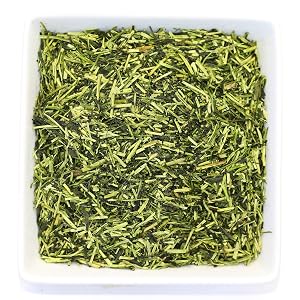
More than 2,000 studies conducted on tea over the past decade provide strong evidence that teas are associated with prevention of diseases such as cancer, cardiovascular disease and diabetes. Some teas are also associated with lower blood pressure and cholesterol, and increased bone mineral density and mental alertness. There is also strong evidence that tea protects brain health.
Green tea is minimally processed and a great source of antioxidants that help ward off cell damage that leads to disease. It has the highest concentration of EGCG (epigallocatechin gallate), a very potent antioxidant that helps prevent cancers of various kinds, helps prevent cardiovascular disease, reduces oxidative stress on the brain, reduces risk of stroke, improves cholesterol, and helps reduce disorders such as Alzheimer’s and Parkinson’s.
A Japanese study that covered thousands of people showed that elderly adults who drank green tea showed less disability and were more agile and independent than their peers.
Black tea begins the same as green tea, but is processed differently and then fermented before being dried. Both green and black teas contain high levels of healthy antioxidant polyphenols, but their properties and benefits.cA 2008 study found that people who drank the most black tea had a much lower risk of Parkinson’s.
White tea is uncured and unfermented, and has been associated with anticancer properties.
Oolong tea is processed uniquely and contains antioxidants that have been associated with lowering of “bad” cholesterol levels.
Whatever the variety, steep tea for three minutes to enjoy the benefits of the healthful phytochemicals and to produce a rich flavor. Decaffeinated tea may have reduced phytochemical activity, as will most bottled and instant teas. The more processed the tea, generally the fewer healthful phytochemicals.
Tea
Beverages
Artwork: Japanese Green Tea
Source: University of Missouri Extension
Subscribe to:
Posts (Atom)
